
 REGISTER Name, community, plot
The register
12,400 growers, on the record.
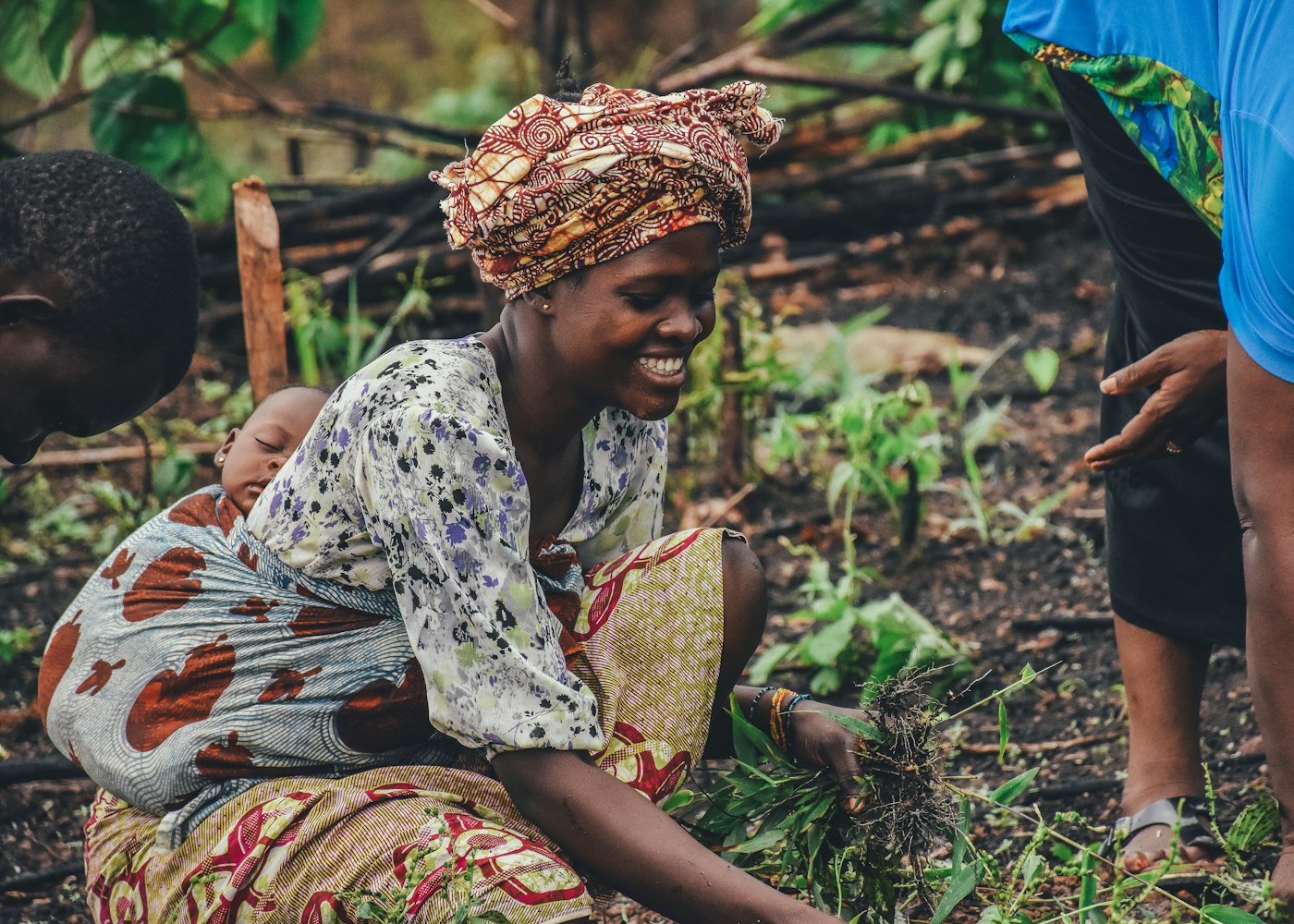
Every farmer we buy from is registered before the season opens: name, community, plot size, crop and delivery history. It is how we forecast tonnage, how we decide where to put input advances, and how we answer a buyer who asks where a lot came from.
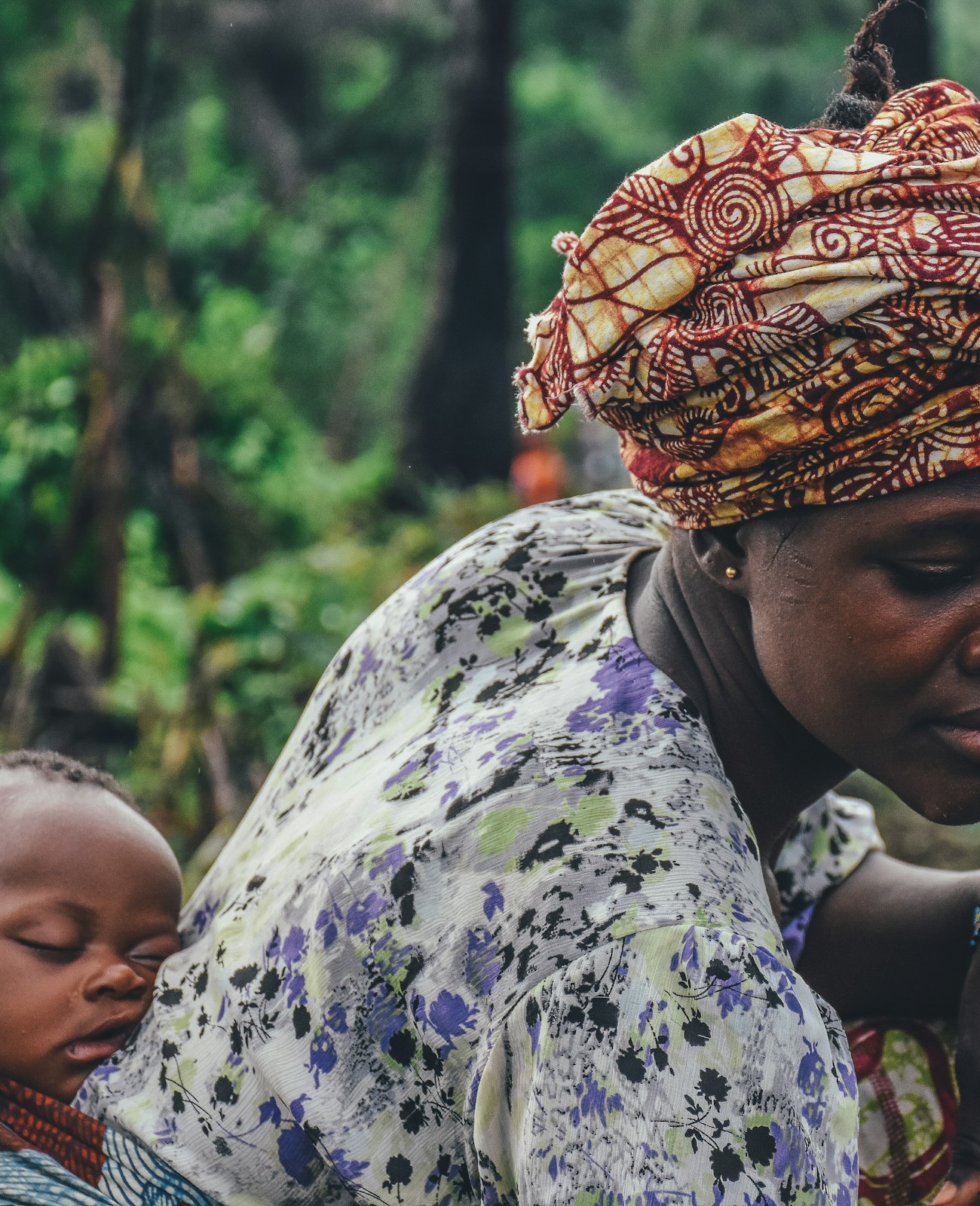
Roughly six in ten of the growers on the register are women, concentrated in hibiscus, groundnut and soybean. The training calendar is built around their working day, not around ours.
Ask about traceabilityWhat we actually do
Three commitments, made before the season.
Training
Pre-season clinics on harvest timing, drying on raised racks rather than bare ground, moisture judgement and safe storage. Bad drying is the single largest cause of a rejected lot, and it is entirely fixable.
Inputs and finance
Certified seed, jute bagging and drying mats advanced before planting and settled against harvest at farmgate. No interest, no land as collateral, and no obligation to sell us more than the advance covers.
Published farmgate price
Prices posted at each buying point and updated as the market moves, with payment on the day of delivery. A grower should never have to guess what the crop is worth or wait a month to find out.
 TRACE Lot back to community
Traceability
A lot number that runs all the way back.
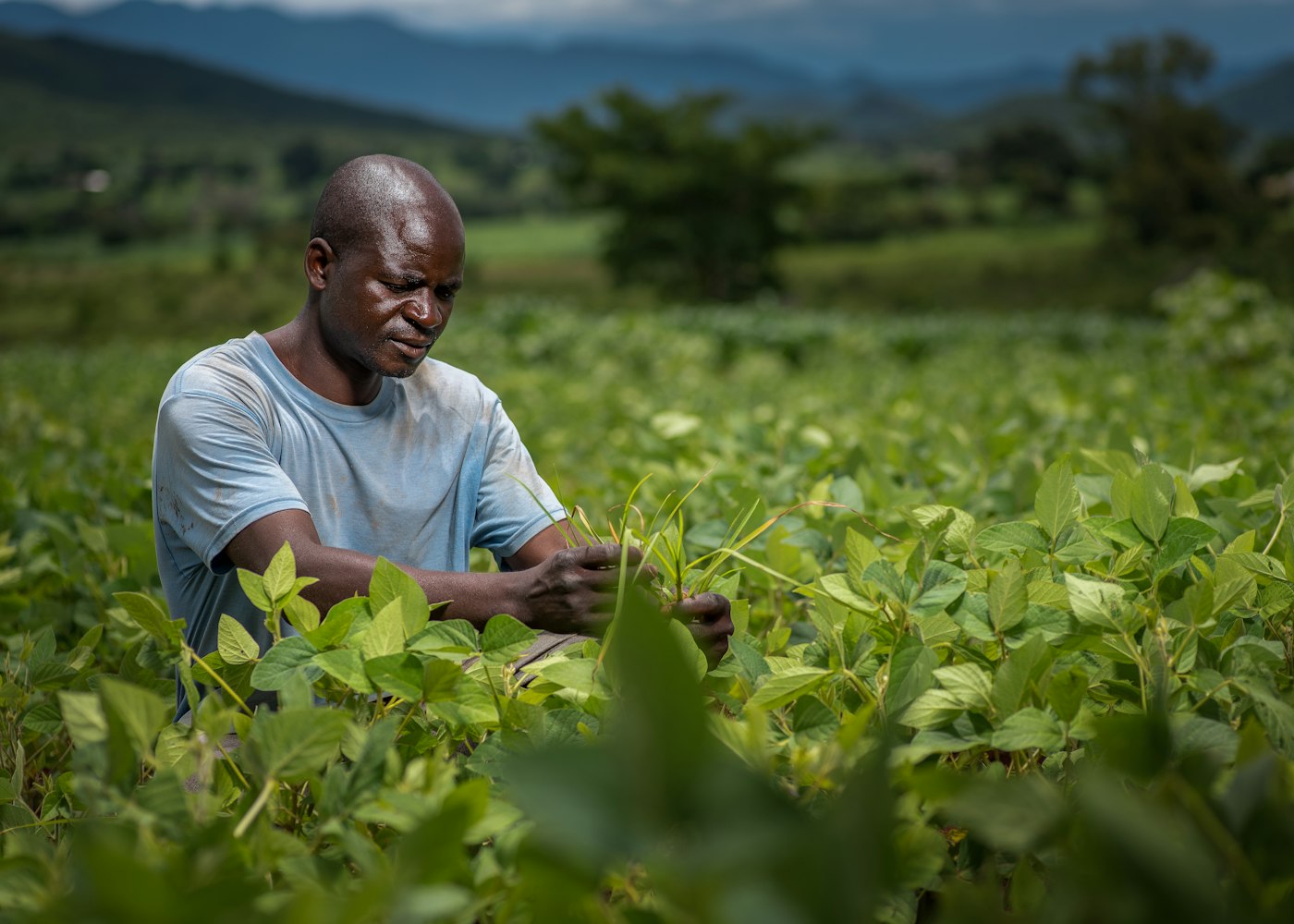
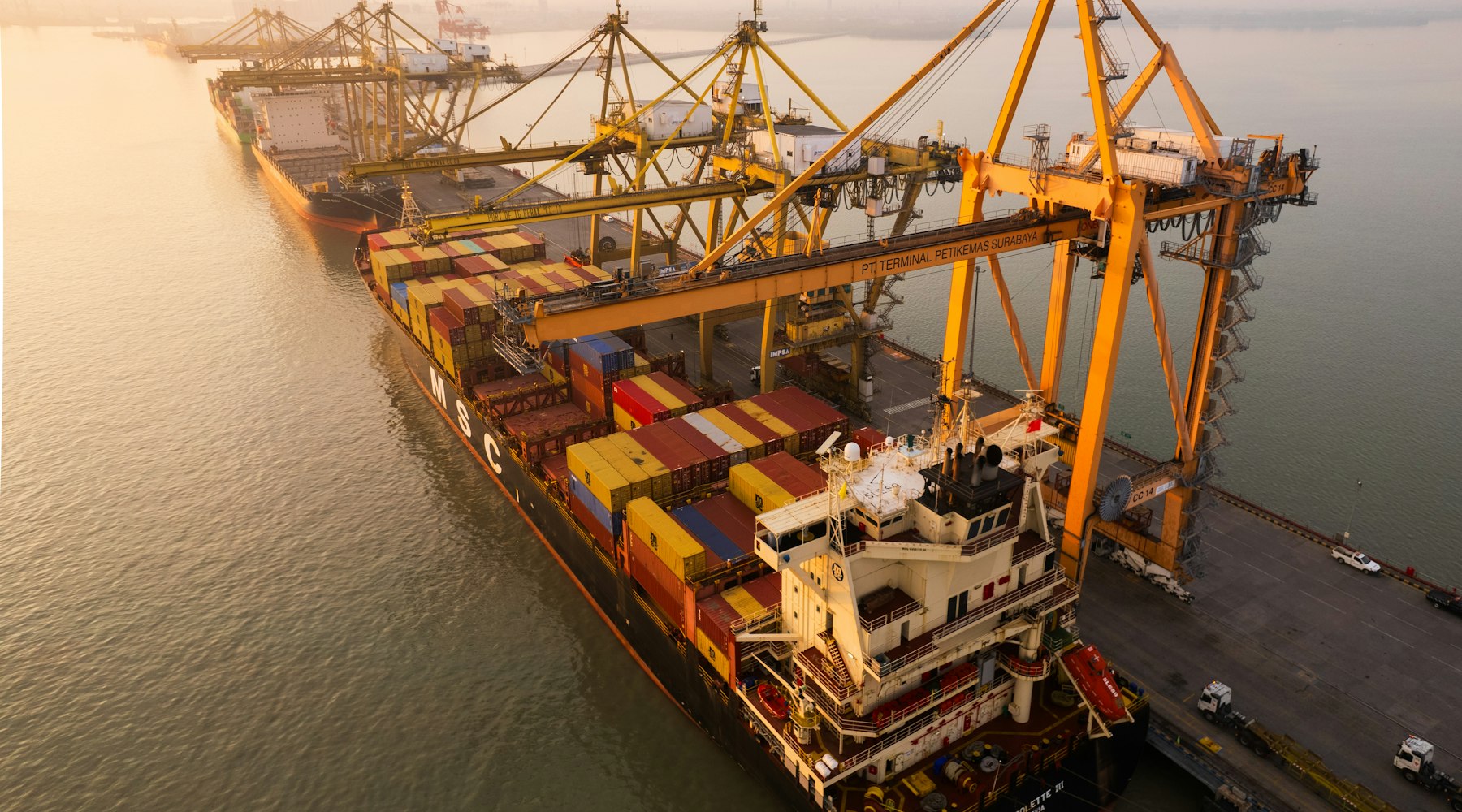
Deliveries are recorded against the grower at the buying point and aggregated into a lot at intake. The lot keeps that reference through processing, bagging and stuffing, so the number on the container door resolves to a list of communities and delivery dates.
Grower ID, community, weight and moisture recorded on delivery.
Deliveries aggregated into a numbered lot with a fixed origin list.
Lot number tied to the container and seal number on the tally sheet.
Origin report issued with the shipping documents for buyers who need it.
across the network
growers are women
buying footprint
each buying season
Sourcing partnerships
If your buyers ask where it came from, we can answer.
Origin reporting, community-level sourcing data and farm visits for counterparties running their own due diligence.