
Request a quote
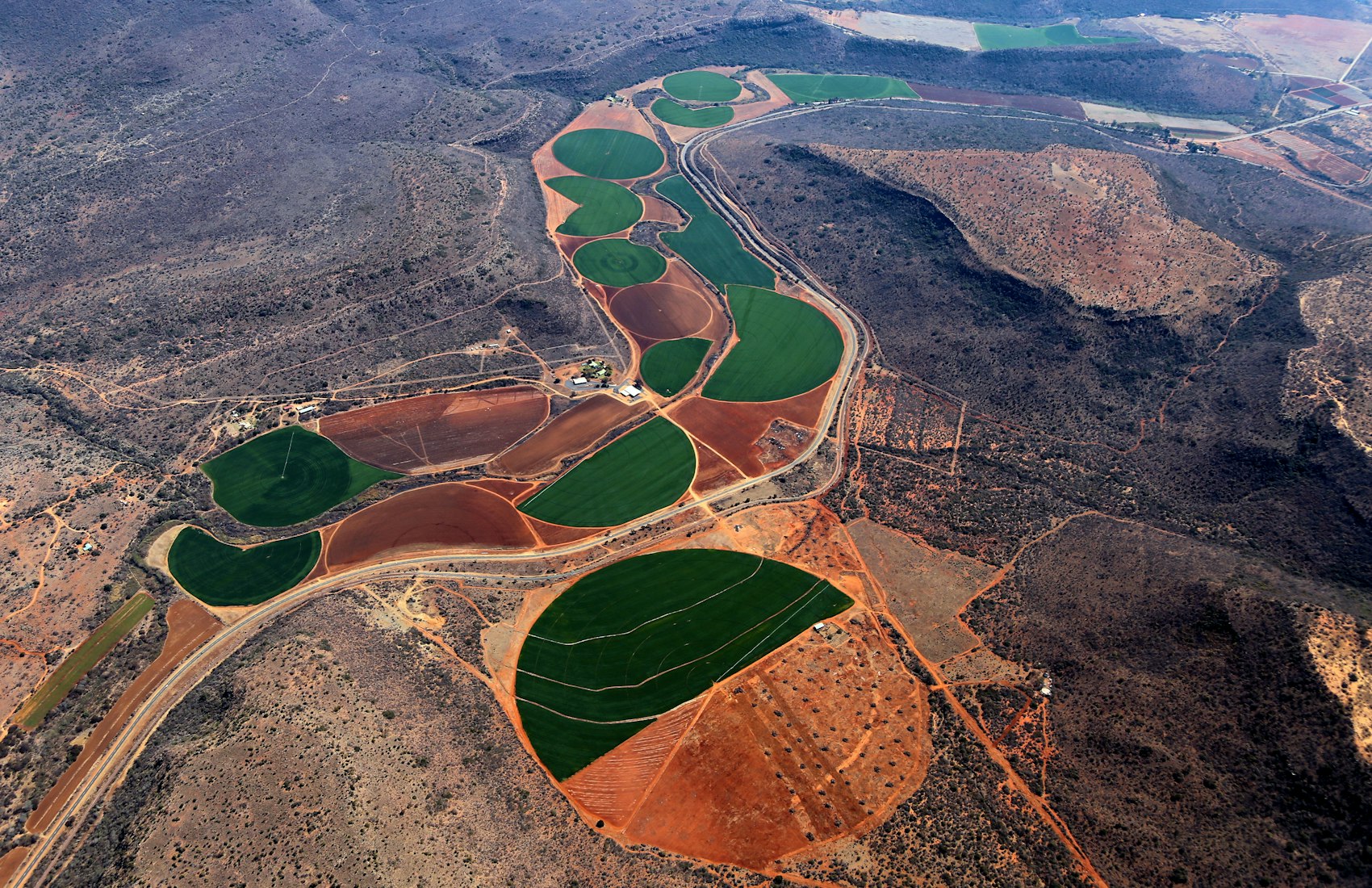
Aerial view of irrigated fields cut into dry terrain

Home/Agenda

The seven-core agenda.

Buying and shipping well is the business. This is the wider agenda it sits inside — seven areas where Nigerian agriculture has to move, and where we put our own effort, money and argument.

Why publish it

A trading house is only as good as the sector under it.

We cannot contract for quality we have not helped create. Each of the seven points below changes something we depend on directly — the moisture in a lot, the yield behind a forward sale, whether a grower is still farming in five years.

01 / 07

Sustainable land and water management

Yield you can write into a contract starts with soil that holds its nutrients and water that arrives when the crop needs it.

Soil health

Nigerian soils lose fertility fast under continuous cropping. We back integrated soil fertility management, agroforestry and right-rate fertiliser use over blanket application.

Water control

Rainfall is less dependable each season and the north is drying. Irrigation at both smallholder and commercial scale, and efficient use of what falls, are what keep yields stable.
02 / 07

Crop and livestock productivity

Food security at home and earnings abroad are the same problem approached from two ends.

Staple crops

High-yielding, locally adapted maize, cassava, millet, sorghum and yam — food on the table before anything leaves the country.

Cash crops

Cocoa, sesame, cashew, ginger and hibiscus earn foreign exchange. The value chain built around them is what earns a farmer a living.

Livestock

Animal health, improved breeds and sustainable grazing — for meat, milk, draught power and manure back into the soil.

03 / 07

Technology and innovation

A technique that never reaches the farm is not a technique. Dissemination is half the work.

Improved inputs

Certified seed, fertiliser and crop protection put in the hands of the growers who need them, at the point in the season they are useful.

Mechanisation

Right-sized equipment for smallholder plots, not imported machinery nobody can maintain or afford to fuel.

Research

Climate-resilient varieties, disease-resistant stock and field practice tested under Nigerian conditions rather than borrowed wholesale.

Extension

Advisory services and digital tools that carry knowledge the last mile, to the farmer rather than the conference.

04 / 07

Market access and value addition

Post-harvest loss is a logistics problem long before it is a farming one.

Rural infrastructure

Roads, storage and transport, so a crop that grew well can still arrive well.

Value addition

Shelling, milling, refining and packing in Nigeria — rather than exporting raw and importing the margin back.

Access to finance

Credit and working capital, so a farmer can invest in the next season instead of selling at the bottom of the market.

05 / 07

Policy and institutional support

Private effort compounds where the rules are stable and the institutions actually work.

Enabling policy

Rules that reward long-term investment, protect land rights and let trade move across borders without improvisation.

Farmer organisations

Cooperatives strong enough to negotiate a price, access resources and pass on what works.

Risk management

Cover against climate shocks, price swings, pests and disease, so one bad season does not end a farm.

06 / 07

Human capital development

The sector’s binding constraint is not land. It is skill, and who is permitted to use it.

Education and training

Agricultural education, vocational training and extension that builds capability rather than attendance figures.

Youth

Agri-entrepreneurship that makes farming a business young people choose, not one they inherit by default.

Gender

Women do a large share of the work. They need the same access to inputs, finance, land and decisions.

07 / 07

Climate adaptation and resilience

Plan for the season we actually get, not the one the calendar promises.

Drought-resistant crops

Varieties bred to carry a short or broken rainy season without collapsing.

Climate-smart practice

Methods that raise yield, build resilience and cut emissions at the same time, rather than trading one against another.

Early warning

Weather and risk information in farmers’ hands while it can still change a decision.

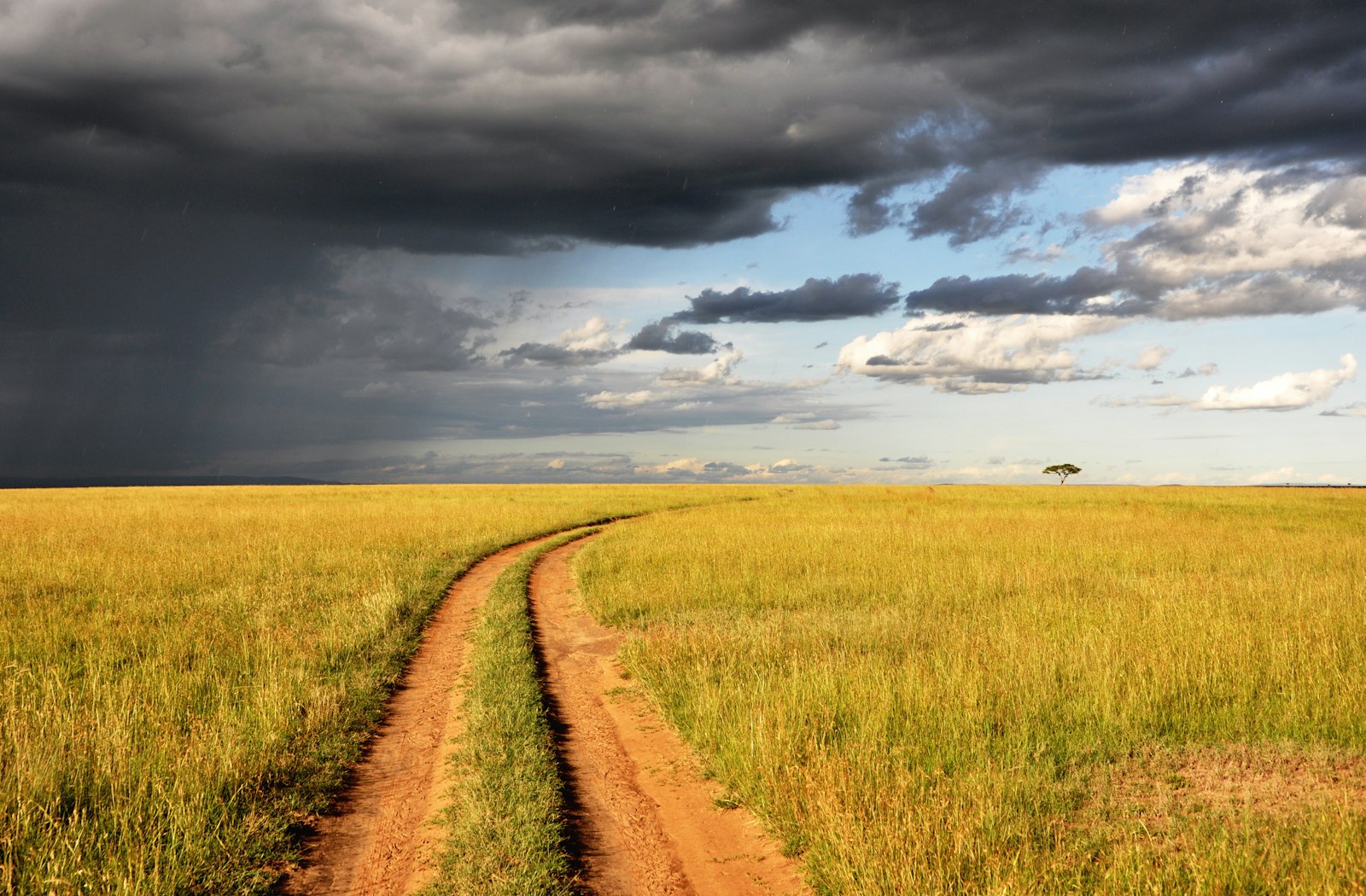
A track running through savanna grassland under a gathering storm SEASON  Planning for the rain we get

How it shows up in the work

An agenda you can check us against.

None of this is worth publishing if it stays a statement. The parts of the agenda we control directly are already running inside the buying business — training clinics, input advances, the farmgate price board, the grower register. The rest we push for as a company that has to live with the outcome.

We run

Pre-season training, input advances, published farmgate pricing and lot-level traceability.

We fund

Drying racks, storage and cleaning capacity close to the growing belts.

We argue for

Stable trade policy, working rural infrastructure and finance that reaches smallholders.

See it in the farmer network

The agenda in practice

Buy from a house that is invested in the next harvest, not just this one.

If your own sourcing standards ask questions about origin, labour or climate, we would rather have that conversation early than at discharge.

Request a quote See the lot book